Subscribe to Local Content
LocalContent.com Announces Upcoming AI-Driven Certification Suite to Boost Supply-Chain and Workforce Compliance, Competitiveness, and Economic Opportunity
Take the free assessment instead

What Are Opportunity Zones?


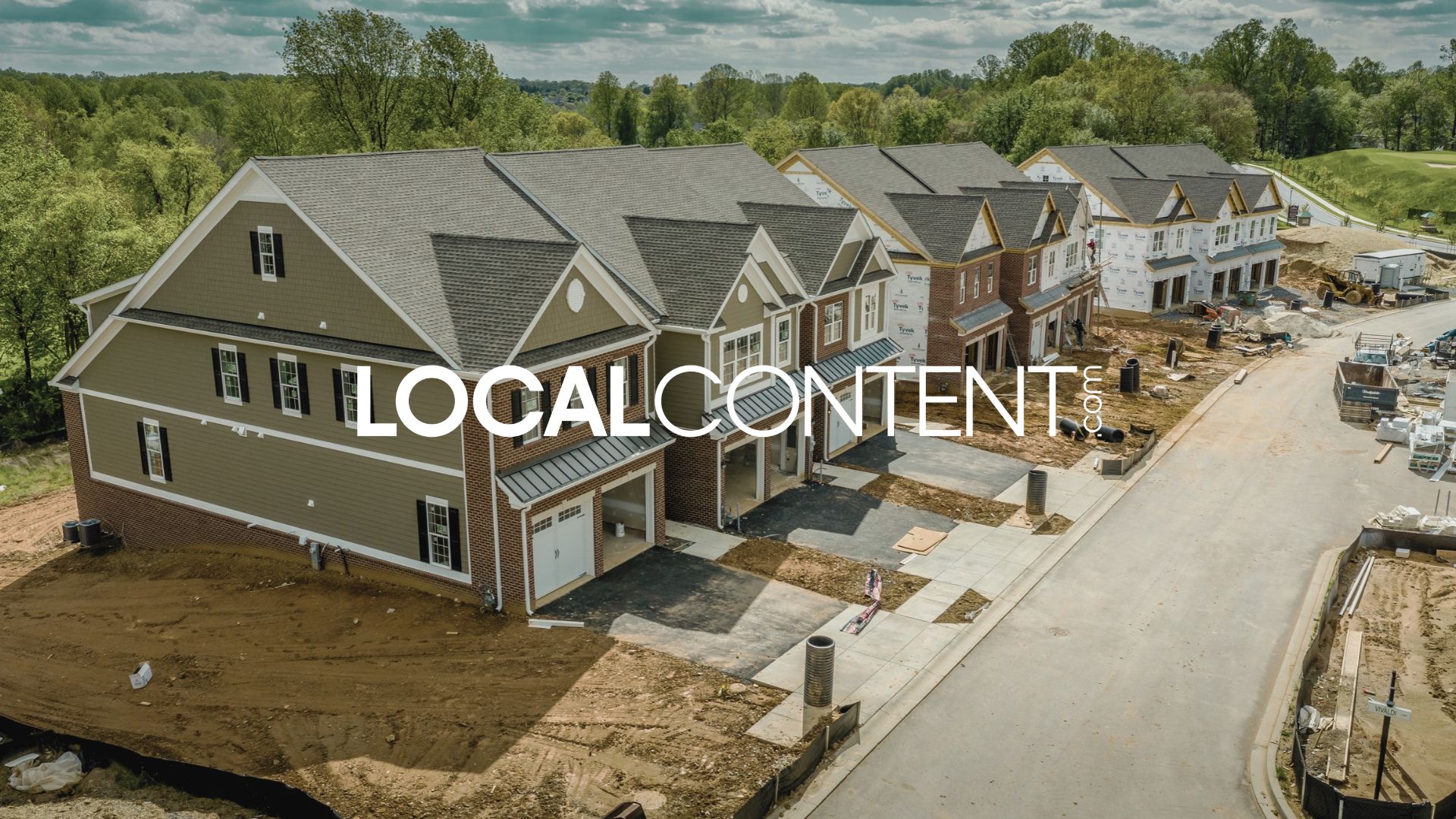
U.S. Opportunity Zones are federally designated communities where investors receive tax benefits for directing qualifying capital into economically distressed areas. Established in 2017 and made permanent, the program introduces new geographic designations beginning January 1, 2027.
Opportunity Zones represent an Invest Local requirement, a form of local content policy. Qualified Opportunity Funds generally must maintain at least 90% of their assets in qualified Opportunity Zone property.
Beginning in 2027, eligible investors can defer capital gains taxes for up to five years, reduce their original taxable gains by 10% or 30% through qualifying rural funds, and generally exclude investment appreciation from federal capital gains taxes after holding qualifying investments for at least 10 years, subject to statutory limitations.
For example, a $50 million development can provide investors with tax savings, developers with access to capital, residents with economic opportunities, and governments with increased private investment.
While local workforce development, small business contracting, and community benefit investments are not federal Opportunity Zone requirements, local stakeholders should collaborate to establish complementary local content policies, commitments, and legally authorized requirements.
By establishing Hire Local, Buy Local, and Invest Local commitments, communities can help ensure that tax-advantaged investments generate measurable, long-term economic benefits for local workers, businesses, nonprofits, and residents across the United States.


Subscribe to Local Content
LocalContent.com Announces Upcoming AI-Driven Certification Suite to Boost Supply-Chain and Workforce Compliance, Competitiveness, and Economic Opportunity
Take the free assessment insteadWe endorse your supply chain, workforce, and community investments so you strengthen your local economy. Then claim the tax credits, incentives, and permits you qualify for.